
Traveller Guide
Travel Smart, Travel Safe
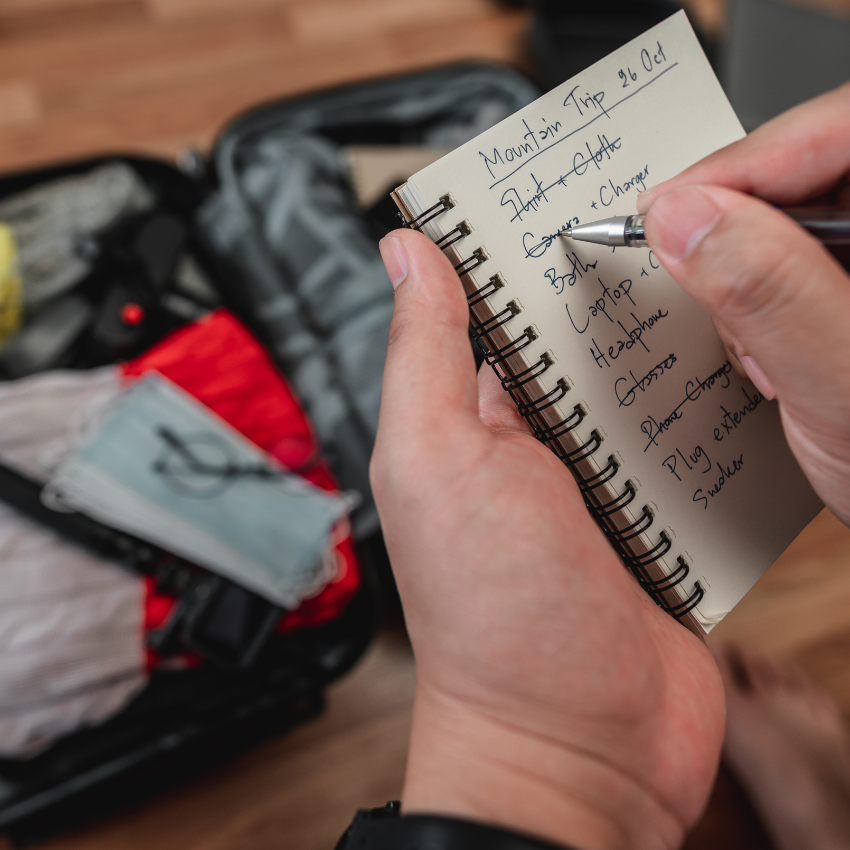
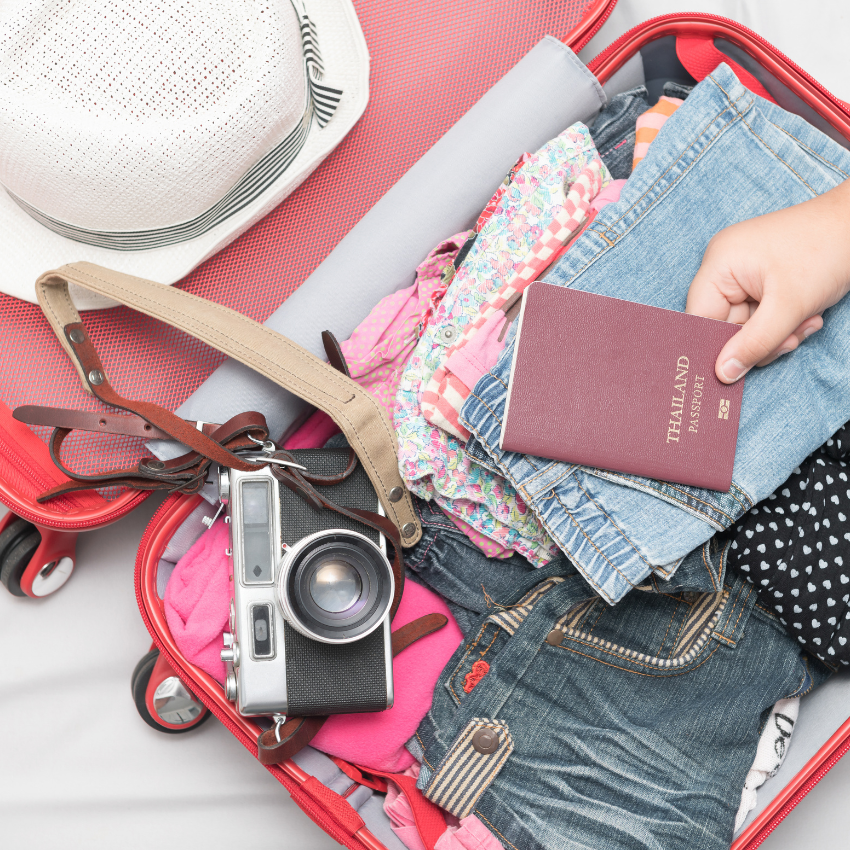
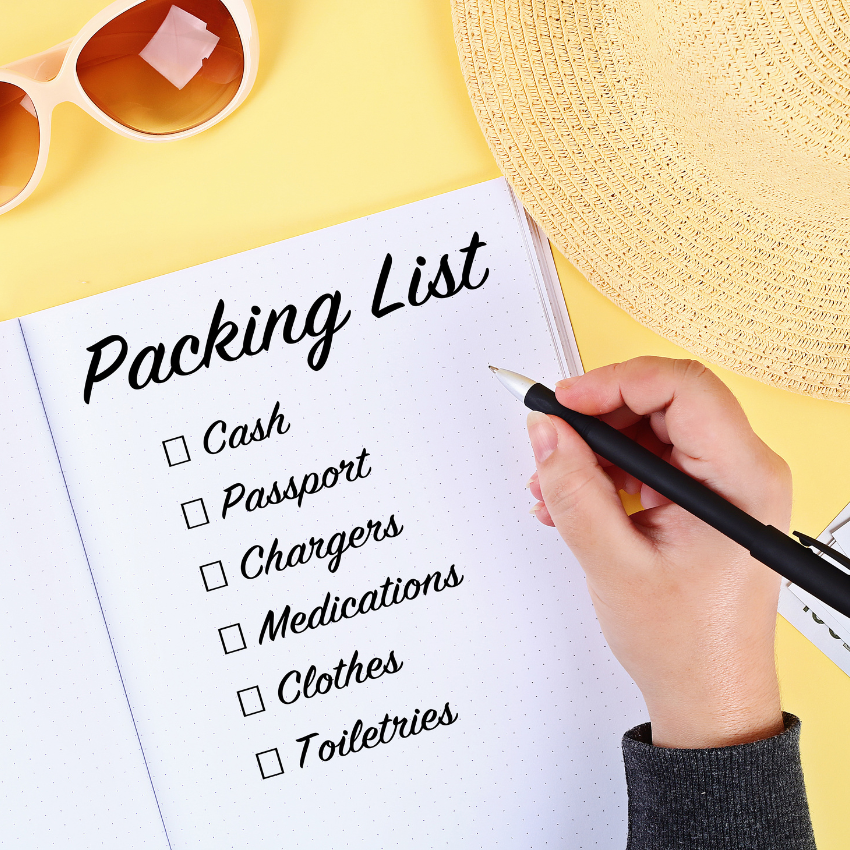
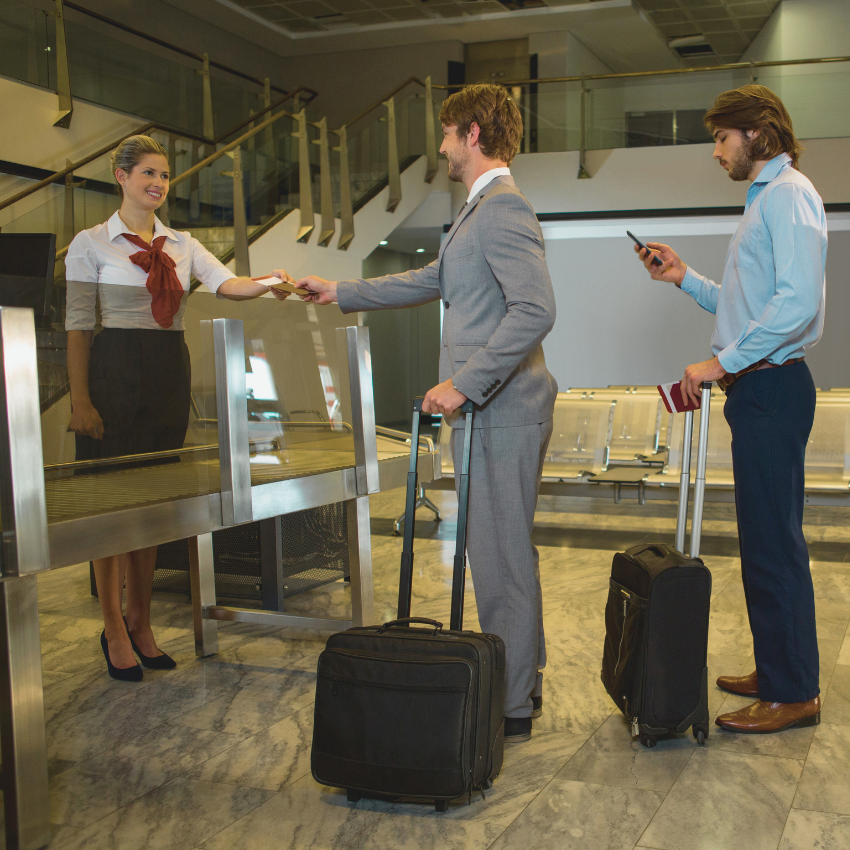
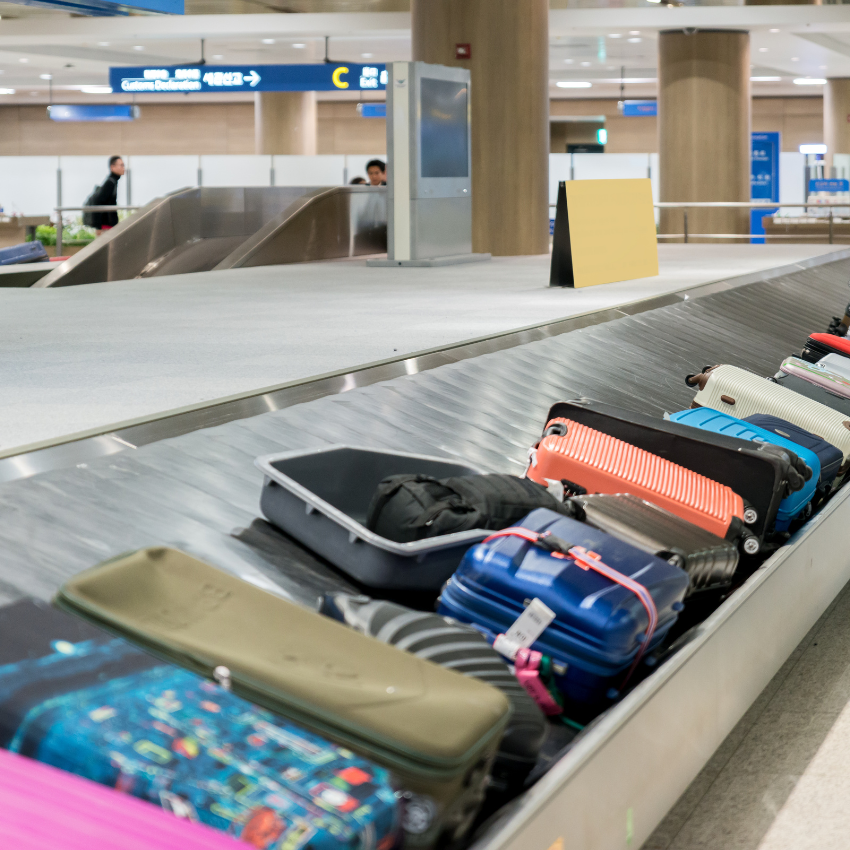
Before You Travel: Prepare Everything in Advance
Travelling should be exciting, relaxing and memorable. But small mistakes, poor preparation or a lack of awareness can sometimes turn a great holiday into a stressful experience. Whether you are travelling on a domestic tour within India or going on an international holiday , being prepared can help you avoid many common travel problems. From your documents and baggage to money, health, safety and local customs, here are the important things every traveller should take care of before and during a trip.
A smooth journey starts before you leave home. Taking a little time to prepare can save you from unnecessary stress later.
1. Check Your Travel Documents
Keep all your important documents ready before your journey.
For domestic travel, carry:
* Government issued photo ID
* Flight, train or bus tickets
* Hotel booking details
* Tour itinerary
* Emergency contact details
For international travel, you may additionally need:
* Valid passport
* Visa or required travel authorisation
* Travel insurance
* Flight tickets
* Hotel booking details
* Return or onward travel
Tip: Keep digital copies of important documents in a secure location. It is also useful to carry photocopies separately from the originals.
2. Check Your Passport and Visa Before an International Trip
If you are travelling abroad, do not wait until the last moment to check your passport and visa requirements.
Check:
* Passport validity
* Visa validity and conditions
* Number of permitted entries
* Blank passport pages
* Destination specific entry requirements
Requirements can differ from one country to another, so always verify the latest rules before travelling.
3. Pack Smart, Not Just More
Packing everything you own is not the best way to prepare for a holiday.
Pack according to:
* Weather
* Number of travel days
* Activities
* Local culture
* Dress requirements
* Type of accommodation
For example, a beach holiday, a winter destination and a wildlife safari will all require very different packing.
Smart packing means carrying what you need without making your luggage unnecessarily heavy.
4. Keep Your Baggage Tag Safe
* After checking in your luggage, you will normally receive baggage identification information.
* Keep it safely until you have collected your suitcase.
* If your baggage does not arrive, this information can help the airline identify and trace it.
5. Keep Important Items in Your Cabin Baggage
Never put everything you need into your checked luggage.
Keep important items with you, including:
* Passport and ID
* Money and cards
* Mobile phone
* Chargers
* Essential medicines
* Important documents
* Valuable electronics
* A basic change of clothes
If your checked baggage is delayed, you will still have the essentials you need.
6. Don’t Put Valuables in Checked Baggage
Avoid packing valuable or irreplaceable belongings in checked luggage. Keep important personal items with you and follow the airline’s baggage rules.
7. Money and Payment: Be Prepared
Money is another area where travellers should be careful.
8. Baggage Loss or Delay
Baggage problems can happen during any type of journey, whether you are travelling by flight, train, bus, coach, ferry, cruise or other modes of transportation.
During a trip, luggage may pass through multiple handling points. It can sometimes be delayed, misplaced, transferred to the wrong vehicle, left behind during a connection or accidentally collected by another traveller.
9. How Can Baggage Problems Happen?
Some common situations include:
* Tight connections or changes in transportation
* Delays during loading or unloading
* Incorrect or damaged baggage identification
* Luggage being transferred between different vehicles or services
* Similar looking bags being collected accidentally
* Luggage being left behind during a transfer
* Handling issues at terminals, stations, ports or accommodation
* Unforeseen operational circumstances
While these situations are not common, travellers should always be prepared for the possibility.
10. How Can You Protect Your Baggage?
A few simple precautions can make your luggage easier to identify and recover:
* Put your name and contact details inside your luggage.
* Use a distinctive luggage tag, cover or strap.
* Take photographs of your luggage before starting the journey.
* Keep baggage receipts, tags or identification details safely.
* Keep valuables, travel documents, medicines and essential items with you whenever possible.
* Avoid packing irreplaceable belongings in luggage that will be handled separately from you.
* Check your belongings carefully whenever you leave a vehicle, hotel, terminal or transfer point.
* Make sure you collect the correct bag before leaving the baggage or luggage collection area.
11. What Should You Do If Your Baggage Is Missing?
If your luggage does not arrive at the expected location, report the matter immediately to the concerned transport provider, carrier, terminal, station, port, airport or baggage assistance desk, depending on the mode of travel.
Keep your ticket, baggage receipt or identification details available, as these may be required to trace your belongings.
If you are travelling as part of an organised tour, your tour manager or travel coordinator can guide you through the appropriate reporting process and assist with coordination wherever possible.
12. Understanding Baggage Responsibility
It is important for travellers to understand that baggage is handled by the respective airline, railway operator, bus or coach company, cruise or ferry operator, transfer provider, or other transportation service involved in the journey.
Once baggage has been handed over for transportation, its handling, custody, tracking and delivery are generally subject to the terms, conditions and procedures of the respective carrier or service provider.
Accordingly, in the event of baggage delay, misplacement, loss or damage, any applicable reporting process, claim, compensation or reimbursement is normally dealt with by the concerned carrier or service provider, in accordance with its applicable policies and regulations.
The travel company or tour operator can assist the traveller with guidance and coordination where appropriate, but the final handling of a baggage claim remains subject to the procedures and responsibility of the respective transportation or baggage handling provider.
13. The Best Way to Avoid Baggage Problems
No traveller can completely eliminate the possibility of baggage being delayed or misplaced. However, proper preparation can make a significant difference.
Identify your luggage clearly, keep important belongings with you, retain your baggage documents and report any issue immediately.
A few minutes of preparation before your journey can save you considerable inconvenience during your holiday.
14. For Travellers Joining an Organised Tour
If you are travelling with Bestination Holidays, our tour team can guide you on the appropriate procedure and assist with communication or coordination with the concerned service provider wherever possible.
However, baggage is transported and handled by the respective carrier or transportation service provider once it has been handed over for the journey. Any baggage delay, loss, damage or related claim is therefore subject to the procedures, terms and conditions of the concerned provider and the applicable regulations.
Our team will always endeavour to support and assist travellers in such situations, while the resolution of baggage related matters remains with the respective transportation or handling authority responsible for the luggage.
15. Carry More Than One Payment Option
Do not depend entirely on one card or one payment method. Depending on your destination, consider carrying:
* Debit or credit card
* Some cash
* A backup payment method
For international travel, check with your bank about overseas transactions, foreign currency charges and ATM usage before departure.
16. Carry Some Local Currency
Cards and digital payments are convenient, but they may not be accepted everywhere. Having a reasonable amount of local currency can be useful for:
* Local transport
* Small purchases
* Tips
* Emergency expenses
Avoid carrying unnecessarily large amounts of cash.
17. Phone and Connectivity: Stay Connected
Your phone can be extremely useful during a trip, but it is important to prepare before leaving.
18. Check Your Mobile Connectivity
For domestic travel, your existing mobile connection will generally be sufficient. For international travel, check whether you need:
* International roaming
* Travel eSIM
* Local SIM
Also make sure your phone is charged before leaving for sightseeing or long journeys.
19. Save Important Information Offline
Do not depend entirely on internet connectivity. Save important information such as:
* Hotel address
* Flight details
* Tour itinerary
* Emergency contacts
* Booking information
Screenshots can be useful when you do not have an internet connection. A power bank can also be useful, subject to applicable airline rules.
20. Health and Comfort: Look After Yourself
A beautiful destination is much more enjoyable when you feel well.
21. Carry Your Essential Medicines
If you regularly take medication, make sure you have enough for the entire trip. Keep essential medicines accessible rather than placing them deep inside checked luggage. For international travel, check whether the medicines you carry are permitted at your destination and whether any documentation is required.
22. Stay Hydrated and Be Careful With Food
When travelling, especially in an unfamiliar destination:
* Drink safe water
* Stay hydrated
* Wash your hands regularly
* Be careful with unfamiliar food
* Consider your dietary requirements
If you have food allergies or specific dietary needs, communicate them clearly when ordering food.
23. Check the Weather Before Leaving
Weather can change your entire travel experience. Before departure, check the expected weather and pack accordingly.
For example:
Cold destination: Warm clothes and suitable footwear
Rainy destination: Rain protection and waterproof bags
Hot destination: Lightweight clothes, sunscreen and comfortable footwear
Airport and Transportation Safety
24. Reach the Airport With Enough Time
Avoid reaching the airport at the last minute. Allow enough time for:
* Check in
* Baggage drop
* Security screening
* Immigration
* Boarding
International flights generally require additional time because of immigration and other procedures.
25. Check Your Belongings Before Leaving
Make it a habit to check your belongings whenever you leave a place.
Use a simple routine:
Phone → Wallet → Passport → Documents → Bags → Chargers
Do this before leaving:
* Hotel rooms
* Restaurants
* Tour buses
* Airports
* Tourist attractions
* Taxis and other vehicles
This simple habit can prevent many avoidable losses.
During Your Trip: Stay Alert
26. Don’t Leave Your Belongings Unattended
Keep an eye on your belongings in crowded places.
Be particularly careful with:
* Passport
* Wallet
* Phone
* Camera
* Handbag
* Important documents
Busy airports, markets and tourist attractions require extra awareness.
27. Be Careful With Unfamiliar Offers
Popular tourist destinations can sometimes attract scams.
Be cautious about:
* Unusually cheap tours
* Unofficial guides
* Suspicious ticket sellers
* Unverified transportation
* Unexpected payment requests
If something seems suspicious, verify it before making a payment or sharing personal information.
28. Respect Local Laws and Customs
Every destination has its own culture, rules and expectations.
Before travelling internationally,
learn about:
* Local laws
* Dress expectations
* Photography restrictions
* Public behaviour
* Customs regulations
* Restricted or prohibited items
Something that is normal in one country may not be acceptable in another.
Respecting local customs is not only polite; it can also help you avoid unnecessary problems.
29. Keep Your Hotel Details With You
When exploring an unfamiliar destination, keep your hotel name, address and contact number accessible.
This is particularly useful if:
* You lose internet connectivity
* You do not speak the local language
* You use local transportation
* You return to the hotel from a different location.
A screenshot of the hotel details can be very useful.
30. Check Your Hotel Room Before Leaving
Before checking out, look around the room carefully.
Check:
* Wardrobe
* Safe
* Bathroom
* Bedside tables
* Charging points
* Drawers
* Under the bed
Many travellers accidentally leave chargers, watches, documents and other belongings behind.
If You Are Travelling on a Group Tour
Group tours have an additional responsibility: staying on schedule.
31. Follow Your Tour Manager’s Instructions
Your tour manager may provide important information about:
* Meeting points
* Departure times
* Sightseeing
* Baggage
* Transfers
* Hotel procedures
* Group movement
Listen carefully and arrive at meeting points on time.
Remember: a few minutes of delay can sometimes affect the schedule of the entire group.
International Travel: Extra Precautions
International travel requires a little more preparation than domestic travel.
32. Know the Local Emergency Procedures
Before travelling abroad, save important emergency contacts and know how to contact your tour manager, hotel and relevant local authorities.
If you are travelling with a tour operator, keep the tour coordinator’s contact details easily accessible.
33. Be Careful When Using Public Wi-Fi
Avoid entering sensitive banking information on unsecured public networks whenever possible.
When using hotel, airport or café Wi-Fi, be cautious about accessing sensitive accounts.
Never share your:
* Banking PIN
* OTP
* Passwords
* Card security information with anyone.
34. Check Customs Rules Before Packing
Different countries have different rules regarding what travellers can bring into the country.
Before travelling, check the destination’s customs requirements for items such as:
* Food
* Medicines
* Plants
* Animal products
* Electronics
* Cash
* Restricted goods